
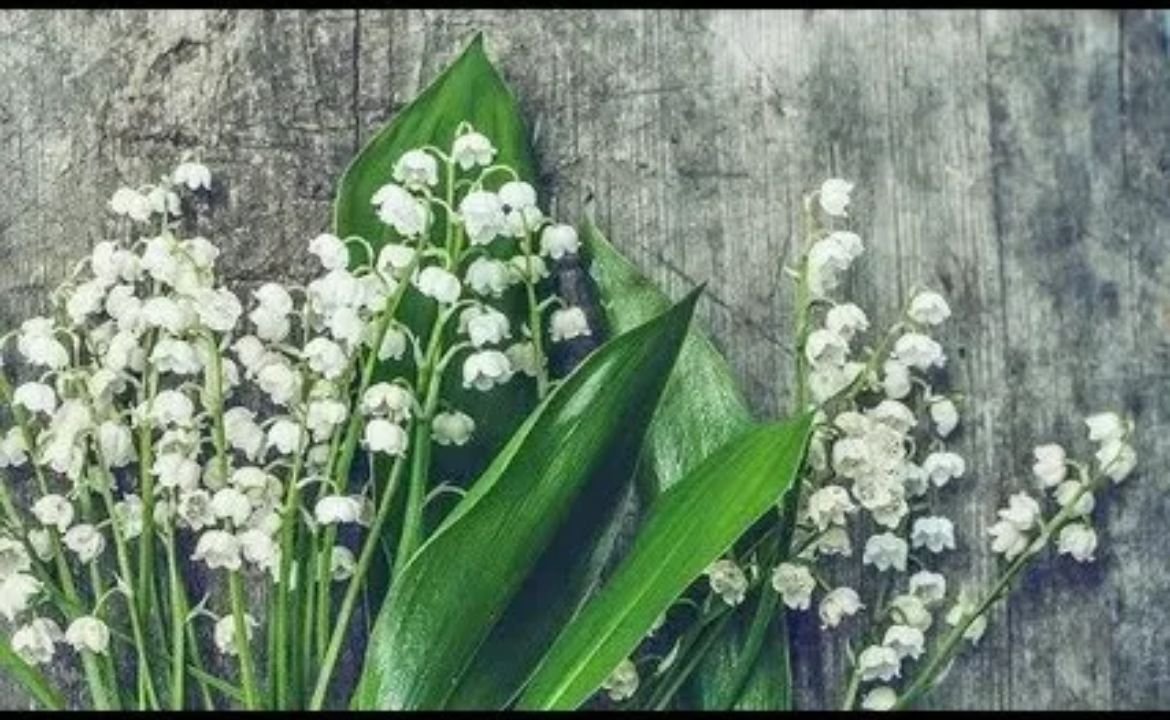
Few flowers possess the delicate grace and powerful symbolism of the lily of the valley. With its tiny white bell-shaped blossoms and sweet fragrance, this flower has charmed poets, artists, and lovers for centuries. But beyond its beauty lies a deeper message that touches on love, purity, humility, and renewal. In this article, we will explore the lily of the valley meaning in love, life, and faith — and discover why this modest bloom continues to inspire people around the world.
A Flower Steeped in History and Symbolism
The lily of the valley meaning has deep historical roots, stretching back to ancient times. Native to Europe and parts of Asia, the flower was once prized by kings and queens for its elegance and fragrance. In Christian tradition, it is said to have appeared where the Virgin Mary’s tears fell at the crucifixion of Jesus, earning it the name Our Lady’s Tears. Because of this, the lily of the valley became a symbol of purity, humility, and the return of happiness.
In Victorian England, when flowers were used as a secret language of emotions, the lily of the valley symbolized the return of happiness and sweetness. Its pure white blossoms represented innocence and sincerity, making it a favorite choice for bridal bouquets and romantic gestures. Even today, it remains a beloved flower in weddings and religious ceremonies.
Lily of the Valley Meaning in Love
When it comes to love, the lily of the valley meaning is tender and deeply emotional. This flower doesn’t shout for attention; instead, it whispers of faithful love, renewal, and devotion. Its soft, white petals evoke the innocence of first love and the hope of everlasting affection.
In romantic symbolism, giving someone lily of the valley signifies that your love has endured hardships and still blooms with purity and joy. It represents a bond that remains humble yet strong, much like the flower itself, which grows close to the ground but emits a fragrance powerful enough to fill the air.
Many brides choose lily of the valley in their wedding bouquets as a sign of purity and new beginnings. Princess Grace Kelly of Monaco and Kate Middleton, the Princess of Wales, both carried lily of the valley in their bridal arrangements.
In relationships, the lily of the valley meaning also conveys forgiveness and renewal. Just as the flower returns each spring, love can but renewed after trials, blooming once again with fresh strength and sweetness.
Lily of the Valley Meaning in Life
Beyond romance, the lily of the valley meaning extends into the broader journey of life. It teaches us that beauty and strength can exist even in the most modest forms. The flower grows in shaded, often overlooked areas of the forest—yet it thrives, spreading its fragrance quietly and persistently. This can but seen as a reflection of resilience and inner peace.
In life’s challenges, the lily of the valley reminds us to stay humble and hopeful. Its yearly reappearance in spring is a symbol of rebirth and new beginnings, encouraging us to let go of the past and welcome positive change. For many people, it represents the courage to start over, the faith to endure hardships, and the grace to grow through life’s shadows.
Spiritually, this flower can also symbolize the simplicity and humility that lead to inner peace. Its white blooms call to mind innocence and honesty—qualities that bring light into our lives and relationships. Whether one is beginning a new chapter, overcoming sorrow, or seeking clarity, the lily of the valley serves as a reminder that joy can return, no matter how long the winter has been.
Lily of the Valley Meaning in Faith
In matters of faith, the lily of the valley holds profound significance. Christian symbolism often associates it with purity, humility, and the divine promise of renewal. As mentioned earlier, it is but to have sprung from the Virgin Mary’s tears, connecting it with compassion and grace. Because it blooms in spring—around Easter—it is also seen as a representation of Christ’s resurrection and the triumph of life over death.
In religious art and hymns, the lily of the valley has but called “the flower of heaven” or “Mary’s tears.” It serves as a visual metaphor for spiritual renewal, faithfulness, and the gentle strength that comes from belief. In many churches, the flower is used to decorate altars during Easter celebrations, reminding the faithful of hope, purity, and the eternal promise of new life.
In a broader spiritual sense, the lily of the valley encourages believers to embrace humility and faith in their daily lives. Its small, but form teaches that greatness can but found in gentleness, and that but often grows quietly in the background. Just as the flower fills the air with fragrance without demanding attention, a life guided by faith spreads goodness and grace naturally, without pride or show.
Cultural and Modern Interpretations
In addition to its religious and romantic meanings, the lily of the valley meaning has
butembraced in various cultures for its timeless message. In France, the flower is celebrated every year on May 1st as a symbol of good luck and happiness. On that day, people gift small bouquets of lily of the valley to friends and loved ones as a gesture of appreciation and joy.
In modern times, the flower also represents renewal, especially in art, fashion, and literature. Its presence in perfumes, wedding decorations, and garden designs continues to evoke feelings of purity, nostalgia, and serenity. Despite its modest appearance, the lily of the valley’s influence in human culture remains strong—proof that beauty and meaning often reside in simplicity.
Conclusion
The lily of the valley meaning reaches far beyond its delicate blossoms. It speaks to the human heart about love that endures, life that renews, and faith that strengthens. Whether you see it as a symbol of romance, resilience, or spirituality, this flower carries a universal message of hope and purity.
The lily of the valley may be small, but its meaning is vast—an enduring symbol that continues to inspire hearts across generations.