
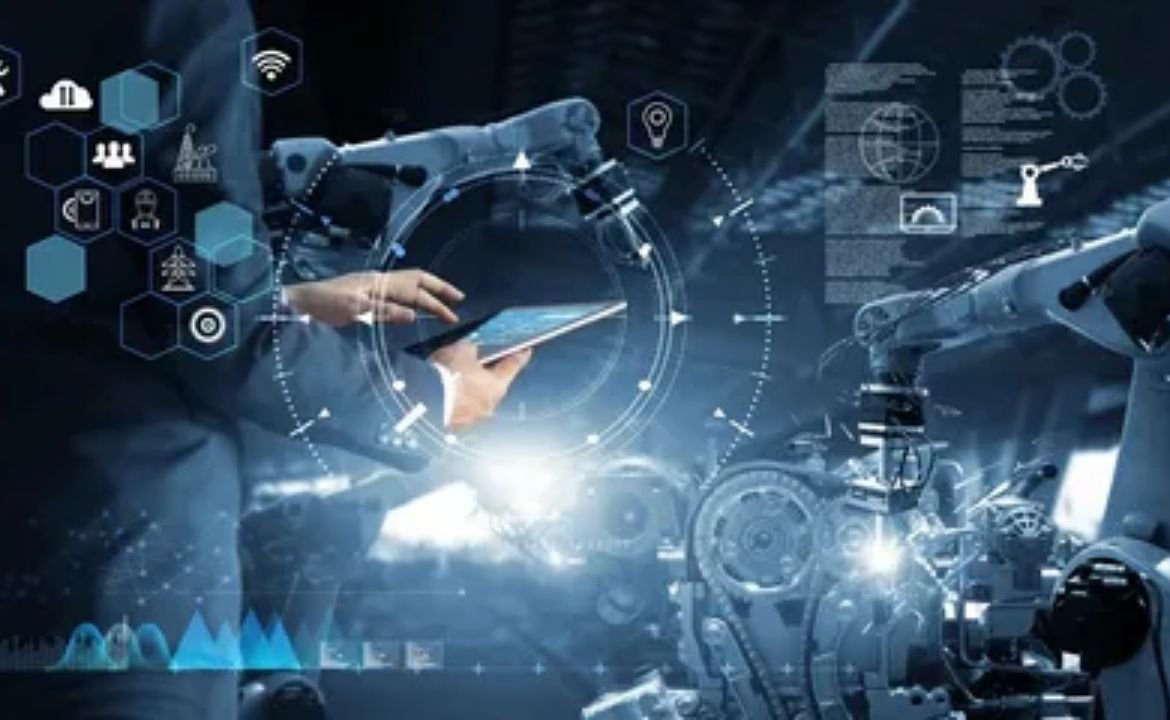
In the 21st century, the world is advancing at an unprecedented pace, and the driving force behind this progress is the surge of technological innovations. From artificial intelligence to renewable energy solutions, technology has become the cornerstone of global development. These innovations are not only transforming industries but also reshaping societies, economies, and the way people interact with one another. The integration of cutting-edge technology into daily life has created opportunities for growth, efficiency, and sustainability that were once unimaginable.
The Evolution of Technological Innovations
Throughout history, human progress has been defined by innovation. The invention of the wheel, the printing press, and the steam engine each marked a major turning point in civilization. However, what sets the modern era apart is the speed and interconnectedness of today’s technological innovations. The rise of the internet in the late 20th century laid the groundwork for the digital revolution, enabling instant communication and global information exchange.
Today, the fusion of technologies—artificial intelligence (AI), robotics, biotechnology, nanotechnology, and quantum computing—is propelling the world toward a new industrial era often referred to as the Fourth Industrial Revolution. This revolution is breaking traditional barriers between the physical, digital, and biological worlds, leading to smarter systems and more efficient solutions across all sectors.
Transforming Global Economies
One of the most significant impacts of technological innovations is their influence on global economies. Automation and digitalization are redefining how businesses operate. AI-powered analytics enable companies to make faster, data-driven decisions, while blockchain technology ensures transparency and security in transactions. The gig economy, supported by digital platforms, allows millions of people to work remotely, expanding employment opportunities beyond geographical limitations.
Emerging economies, in particular, are benefiting from technological advancements. Mobile banking, for example, has revolutionized financial access in regions where traditional banking infrastructure is limited. In countries across Africa and Asia, mobile money platforms like M-Pesa have empowered individuals to save, invest, and conduct business with ease, fostering financial inclusion and reducing poverty.
Moreover, innovation-driven industries are becoming key contributors to global GDP. Nations investing heavily in research and development (R&D) are leading the way in competitiveness and sustainability. The United States, China, Japan, and Germany are at the forefront of technological breakthroughs, but smaller nations such as Estonia and Singapore have also proven that size is no limitation in the digital age.
Advancements in Healthcare and Medicine
The healthcare sector is one of the greatest beneficiaries of technological transformation. Innovations such as telemedicine, wearable health devices, and AI diagnostics are improving patient outcomes and accessibility to healthcare services. During the COVID-19 pandemic, digital health technologies proved invaluable in monitoring and managing public health. Artificial intelligence has accelerated the discovery of new drugs and vaccines, while genetic engineering and biotechnology are paving the way for personalized medicine.
Furthermore, robotics and 3D printing have revolutionized surgical procedures, enabling precision and reducing recovery times. Remote robotic surgeries, guided by high-speed internet connections, allow specialists to operate on patients located thousands of miles away. These advancements illustrate how technological innovations can bridge geographical gaps and save lives.
Sustainable Development and Environmental Impact
As the world faces increasing environmental challenges, technology is offering solutions for a sustainable future. Renewable energy innovations—such as solar, wind, and hydrogen power—are reducing dependence on fossil fuels. Smart grids and energy storage systems ensure more efficient energy use, while electric vehicles are lowering global carbon emissions.
Additionally, technologies like the Internet of Things (IoT) and artificial intelligence are enhancing resource management. Smart cities are using data-driven systems to optimize traffic flow, reduce waste, and monitor pollution levels. Agricultural innovations, including precision farming and drone technology, are helping farmers increase yield while minimizing environmental impact.
These technological innovations not only support environmental sustainability but also promote economic resilience. Green technology sectors are creating millions of jobs and driving investment toward cleaner, more responsible industries.
Education and the Digital Divide
Education has also undergone a massive transformation due to technology. E-learning platforms and virtual classrooms have made education accessible to learners across the globe. Students from remote areas can now access quality education through digital resources and interactive learning tools. Artificial intelligence is being used to personalize learning experiences, adapting to the pace and style of individual students.
However, technological progress also highlights a major challenge—the digital divide. While some regions enjoy high-speed connectivity and advanced digital tools, others still lack basic internet access. Bridging this gap is essential to ensure equitable growth. Governments and global organizations are working toward improving digital infrastructure and literacy to make sure everyone can benefit from the advantages of modern innovation.
The Role of Artificial Intelligence and Automation
Artificial intelligence has become a cornerstone of global technological advancement. Its ability to analyze vast amounts of data, recognize patterns, and make intelligent predictions has revolutionized industries ranging from finance to healthcare. In manufacturing, automation powered by AI and robotics has increased productivity and precision while reducing operational costs.
AI-driven applications are also improving cybersecurity, climate modeling, and disaster response. Machine learning algorithms can predict natural disasters, allowing authorities to respond more effectively and save lives. In everyday life, AI personal assistants, recommendation systems, and smart home devices have become commonplace, illustrating how deeply technological innovations have integrated into human existence.
Challenges and Ethical Considerations
Despite its benefits, rapid technological advancement brings significant challenges. Automation threatens to displace millions of traditional jobs, creating a need for upskilling and workforce adaptation. Ethical concerns surrounding AI—such as bias, privacy, and accountability—demand careful regulation. Moreover, cybersecurity threats are increasing as more systems become interconnected, putting sensitive data and infrastructure at risk.
Balancing innovation with responsibility is crucial. Governments, corporations, and international organizations must work together to ensure that technology serves humanity rather than divides it. Ethical frameworks, transparent governance, and inclusive policies will be vital in shaping a fair and secure digital future.
Conclusion: Innovation as a Catalyst for Global Progress
Technological innovations have become the lifeblood of global progress. They are transforming economies, enhancing healthcare, enabling sustainability, and redefining human potential. As societies continue to innovate, it is important to harness technology for inclusive and ethical development. When guided by responsibility and collaboration, these innovations can help solve the world’s most pressing challenges and create a more connected, sustainable, and prosperous future for all.
The journey of technological innovations is far from over—it is a continuous evolution that promises to redefine what is possible. Humanity’s capacity to imagine, create, and adapt will determine how far these advancements can take us. The future is being built today, one innovation at a time.