
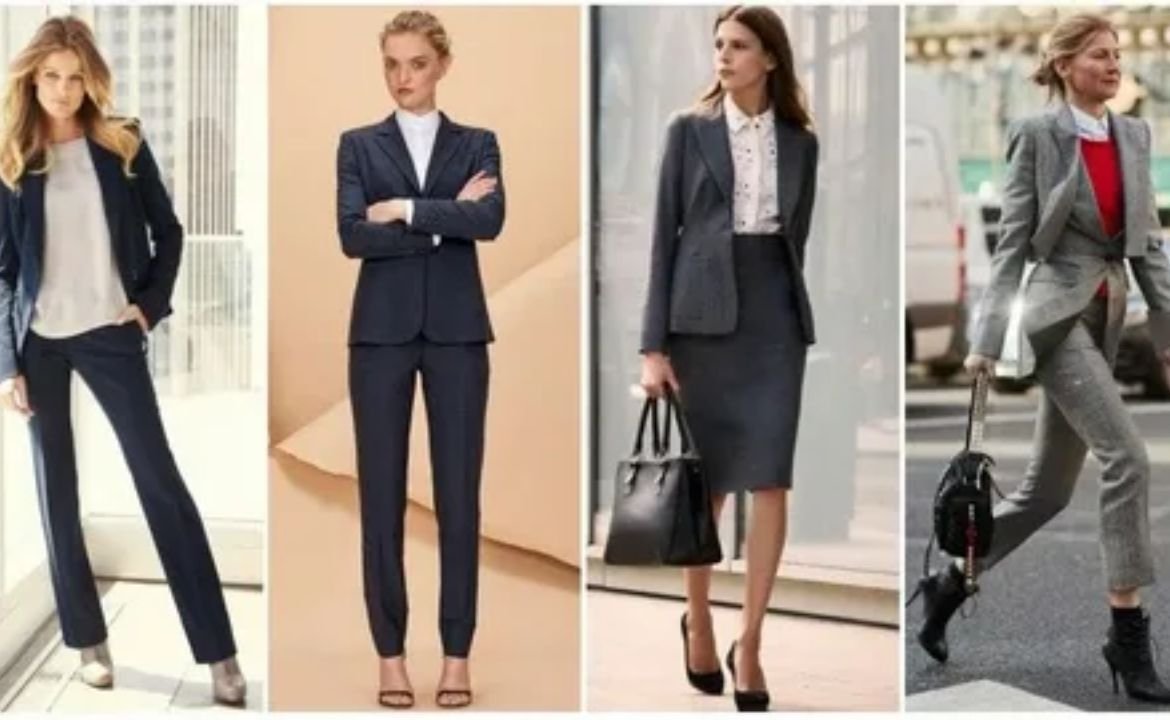
In today’s modern workplace, dress codes have evolved far beyond stiff suits and formal heels. Many offices now embrace a more relaxed approach to professional attire known as business casual. But what does that actually mean for women? Understanding what is business casual woman can help you build a wardrobe that strikes the perfect balance between professionalism and comfort.
This guide breaks down everything you need to know—from the definition of business casual attire to the essential pieces that belong in your closet, plus styling tips to help you look polished and confident every day.
Understanding What Is Business Casual Woman
Before diving into outfit ideas, it’s important to define what is business casual woman in practical terms. Business casual is a dress code that blends traditional business wear with a more relaxed, comfortable style—without becoming too casual. It’s the middle ground between a formal pantsuit and weekend jeans.
For women, business casual generally means clothing that is neat, modest, and professional, yet allows for a bit of personality. Think tailored trousers instead of jeans, blouses instead of T-shirts, and loafers or flats instead of sneakers. The goal is to appear competent and polished while maintaining comfort throughout your workday.
Why Business Casual Matters
The way you dress can directly influence how others perceive your confidence, competence, and credibility. A well-put-together business casual outfit not only meets company standards but also helps you feel more prepared and empowered in professional settings.
Many industries—from tech startups to marketing firms—encourage business casual attire because it fosters a modern, approachable, and creative work culture. Understanding what is business casual woman allows you to adapt your wardrobe to fit these environments without compromising style.
Key Elements of a Business Casual Wardrobe
Building a business casual wardrobe doesn’t have to be complicated. The key is to invest in versatile, mix-and-match pieces that can transition seamlessly from work to after-hours events. Here are the main components to consider:
1. Tops and Blouses
Choose tops that look professional but aren’t overly formal. Button-down shirts, silk blouses, knit tops, or tailored sweaters are all excellent choices. Stick to neutral colors like white, beige, navy, or soft pastels, and add a few patterned options for variety. Avoid tops that are too revealing or have loud graphics.
2. Bottoms
Tailored trousers, ankle pants, and midi skirts are staples of the business casual wardrobe. A pencil skirt or A-line skirt that falls at or below the knee works perfectly. Some workplaces may allow dark-wash jeans with no rips or distressing—just be sure to confirm the dress code first.
3. Dresses
A sheath or wrap dress in a solid color or subtle print is an easy, elegant business casual choice. Dresses should be modest in length and neckline, and can be paired with a blazer or cardigan for a more refined look.
4. Blazers and Layers
A well-fitted blazer instantly elevates any outfit, adding a touch of professionalism. Lightweight cardigans, structured vests, and tailored jackets also make great layering options. Choose neutral tones that complement your overall wardrobe.
5. Shoes
Closed-toe shoes are generally preferred for business casual settings. Loafers, flats, ankle boots, or low heels are comfortable yet sophisticated. Avoid flip-flops, sneakers, or overly casual sandals.
6. Accessories
Keep accessories minimal and tasteful. A classic watch, simple earrings, or a delicate necklace can enhance your outfit without drawing too much attention. Structured handbags or totes complete the professional look.
What Not to Wear in a Business Casual Environment
While business casual offers flexibility, it’s still important to avoid clothing that appears too informal or unprofessional. Stay away from:
-
Ripped or faded jeans
-
Graphic T-shirts or hoodies
-
Mini skirts or shorts
-
Flip-flops or athletic sneakers
-
Sheer or overly tight clothing
Remember, what is business casual woman depends on your workplace culture, but it’s always safer to err on the side of being slightly more formal—especially if you’re new to a company.
Color and Fabric Choices
Choosing the right fabrics and colors can make a big difference in your overall look. Lightweight cotton, silk, or wool blends are breathable and maintain their shape well throughout the day. Stick to classic colors—navy, gray, black, beige—but don’t be afraid to incorporate soft hues or subtle prints to express your personality.
Seasonal Adjustments for Business Casual
Your business casual style can adapt to the seasons while maintaining professionalism:
-
Spring/Summer: Opt for lighter fabrics like linen or cotton. Pastel blouses, flowy skirts, and loafers are great for warmer months.
-
Fall/Winter: Layer up with turtlenecks, wool skirts, and structured blazers. Add tights or ankle boots for a cozy yet stylish touch.
Maintaining a capsule wardrobe for each season ensures you always have go-to outfits that fit both the weather and your office culture.
Business Casual for Different Work Environments
The interpretation of what is business casual woman can vary widely across industries.
-
Corporate Offices: Lean toward classic business pieces like tailored slacks, blouses, and blazers.
-
Creative Fields: Feel free to incorporate trendy patterns, bold colors, or statement accessories.
-
Tech Startups: A more relaxed version of business casual—neat jeans and smart tops—may be perfectly acceptable.
-
Education and Nonprofits: Prioritize comfort and practicality while maintaining professionalism.
Knowing your company’s culture helps you fine-tune your wardrobe to fit in seamlessly.
Tips to Nail the Business Casual Look
-
Fit is everything. Clothes that fit well instantly look more professional.
-
Keep it clean and pressed. Wrinkled or stained clothes can ruin an otherwise polished outfit.
-
Invest in quality basics. A few well-made pieces are more valuable than a closet full of trendy, low-quality items.
-
Be consistent. Build a cohesive wardrobe with complementary colors and silhouettes.
-
Express your personality subtly. Add a touch of color or a unique accessory without going overboard.
Final Thoughts
Understanding what is business casual woman is all about finding the sweet spot between formal and relaxed dressing. It’s not about following rigid rules but about presenting yourself as confident, capable, and appropriately dressed for your environment.
By investing in key wardrobe essentials—like tailored trousers, blouses, blazers, and versatile shoes—you can easily create outfits that look professional and feel comfortable all day long. Remember, business casual is a reflection of your personal brand: polished, modern, and effortlessly stylish.
Would you like me to format this article for WordPress SEO (with meta description, H1/H2 tags, and focus keyword density report)? That can help it rank better on Google.